Buy anything from 5,000+ international stores. One checkout price. No surprise fees. Join 2M+ shoppers on Desertcart.
Desertcart purchases this item on your behalf and handles shipping, customs, and support to Romania.
🚀 Tiny board, colossal potential — power your next-gen projects with Waveshare Pi-Pico-2-M!
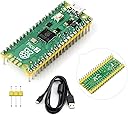
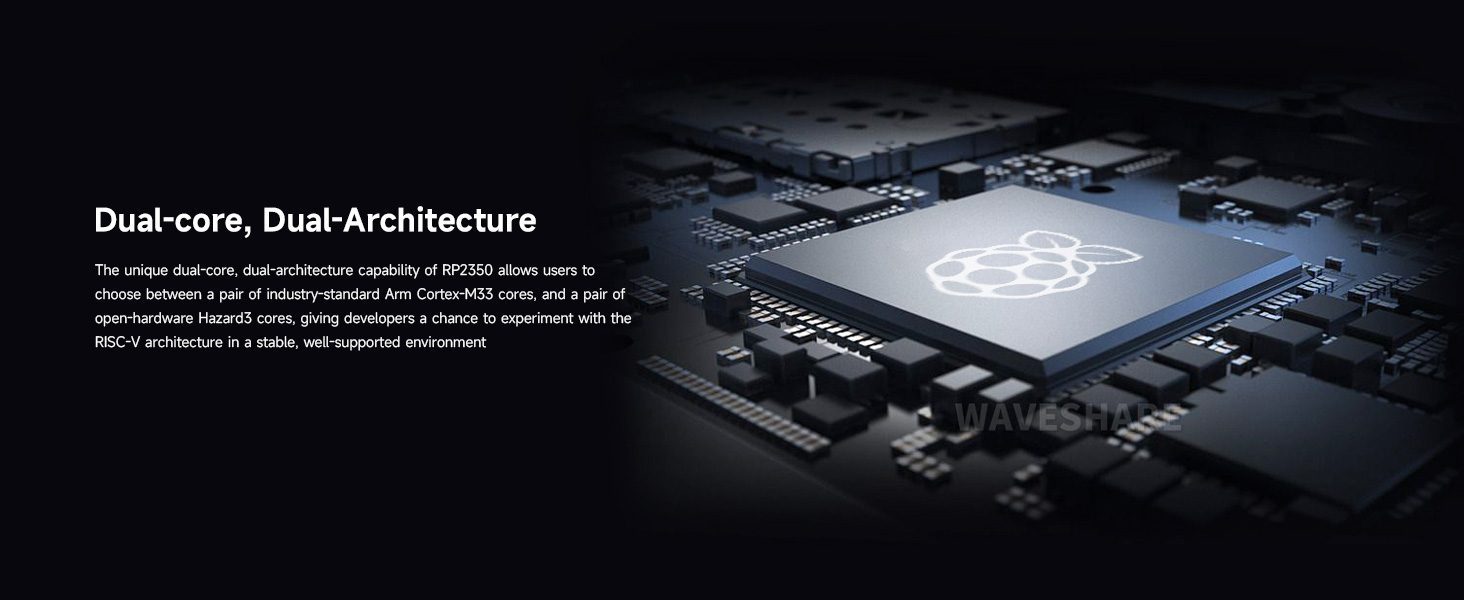
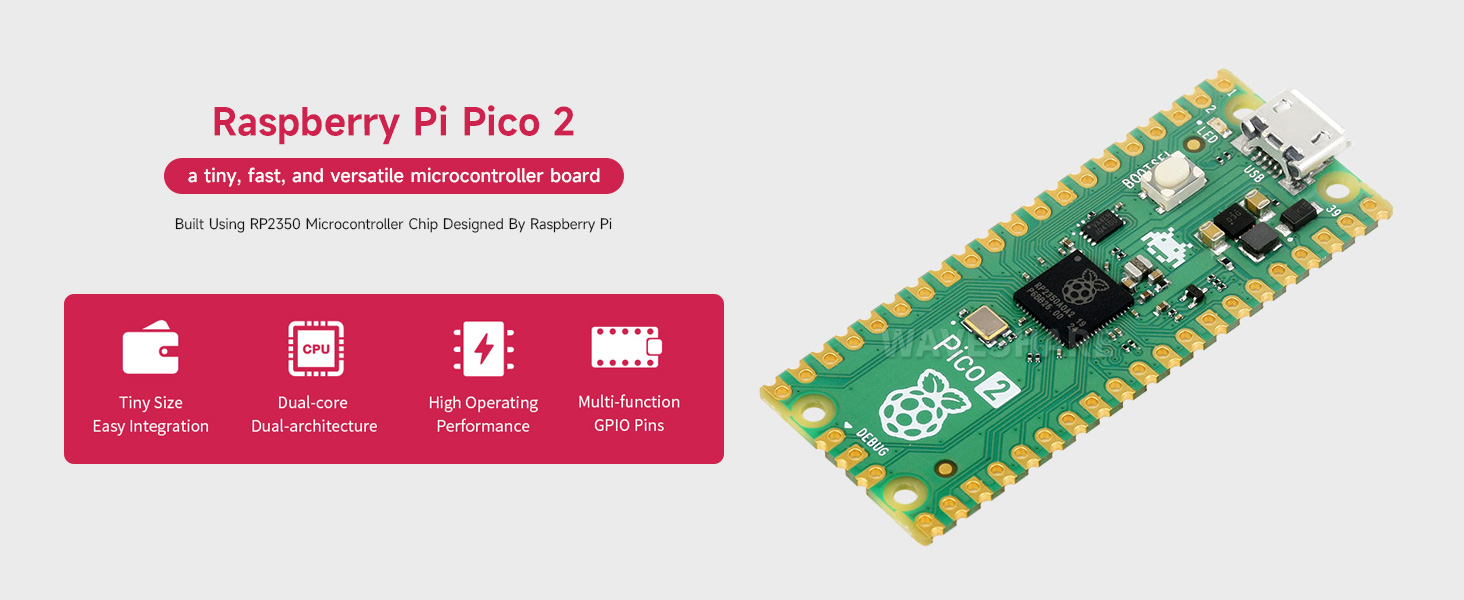
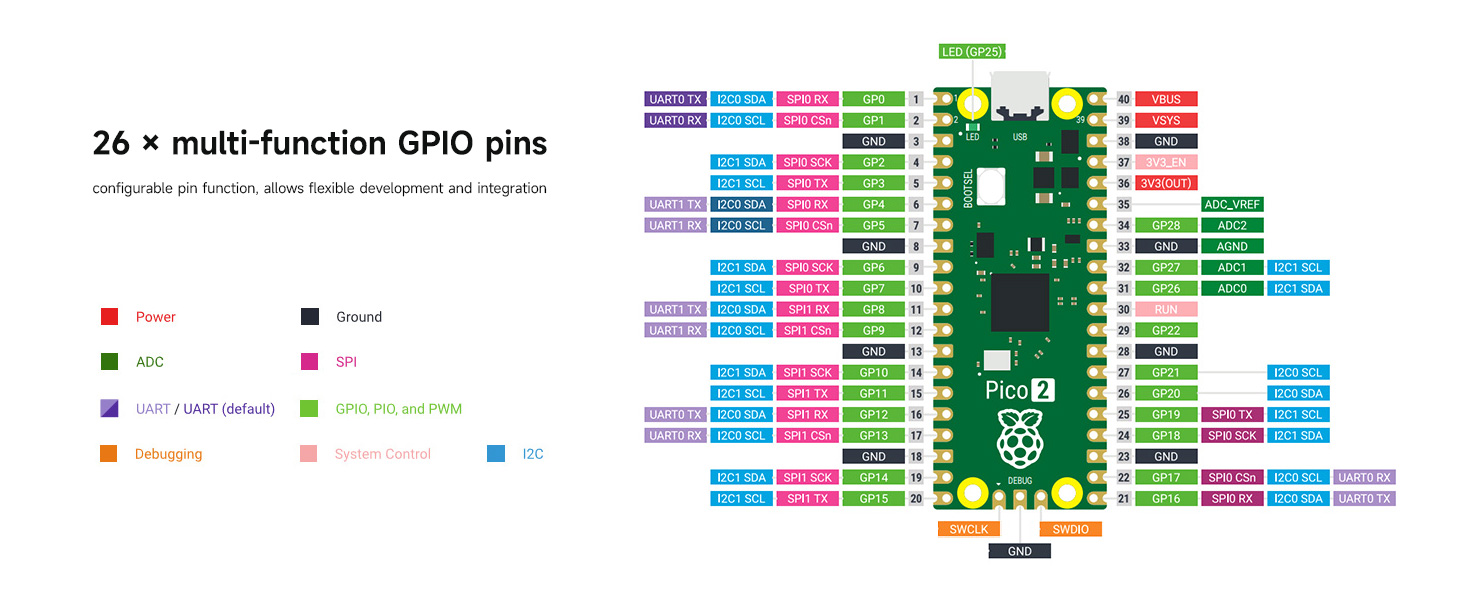
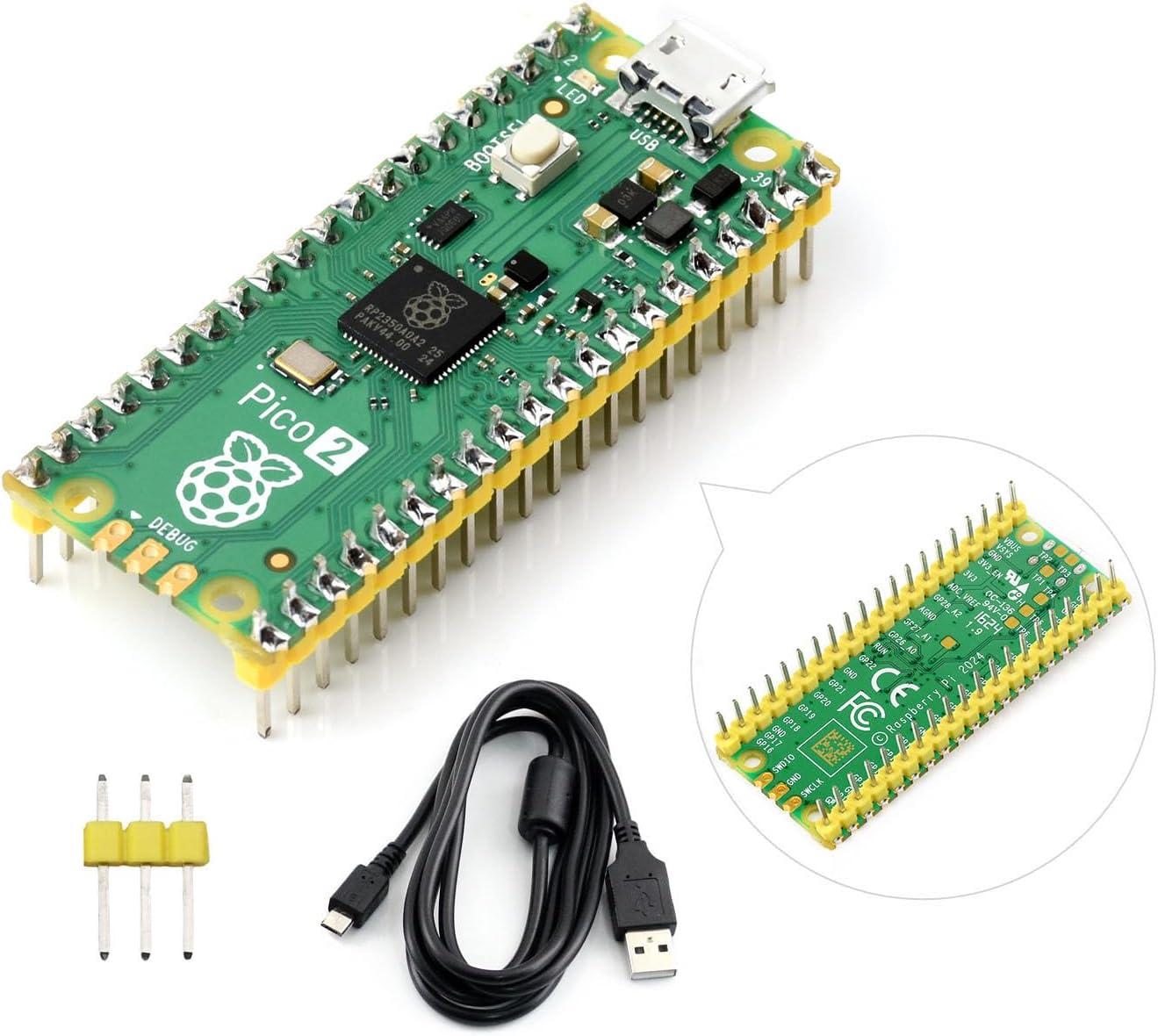
The Waveshare Pi-Pico-2-M is a compact, dual-core microcontroller board featuring the RP2350 chip with dual-architecture design. It offers 4MB flash memory, 520KB RAM, and 26 multifunction GPIO pins, supporting C/C++ and MicroPython development. With pre-soldered headers, USB drag-and-drop programming, and extensive peripheral interfaces, it’s engineered for rapid prototyping and flexible integration in professional and hobbyist projects alike.


| ASIN | B0DGKNV7W4 |
| Best Sellers Rank | 47,732 in Business, Industry & Science ( See Top 100 in Business, Industry & Science ) 200 in Microcontrollers |
| Guaranteed software updates until | unknown |
| Item model number | Raspberry-Pi-Pico-2-M |
| Manufacturer | Waveshare |
| Package Dimensions | 11 x 8.1 x 2.9 cm; 59 g |
P**R
Nahduino
I'm the kind of tinkerer who buys Arduinos in multipacks because it is always handy to have a simple microcontroller with power supplies and USB serial already baked in, I can use them to do things which definitely could be done in a much simpler fashion; i.e. "Yes a 555 timer could do that, but so could two lines of code and this board is already built." I tend to shy away from using Raspberry Pi boards for that kind of thing though, a full blown computer running Linux really is overkill for simpler jobs, this is the perfect middle ground. The price really goes to show that it is the PCB and assembly which makes up the bulk of the cost because these things are now being churned out a price that competes with the old Arduinos but gives far more power and flexibility by including modern silicone. I'm even more tempted to move over to using these for "every little project" by the fact that there is an Arduino core available, so you don't even have to switch IDE or set up your own tool chain, a very low barrier to entry!
C**W
great little thing
I have a Pico 1 and now this Pico 2. They're great for beginners and experienced alike for all kinds of projects. Great for learning micropython, doing other development, or even just having the sheer joy of writing code that turns some LEDs on and off. This is a decent kit to.expand it and I always appreciate pre soldered headers
B**D
This Pico 2 dev board appears to be a solid choice. The build quality looks good, and it functions as expected. No real documentation, but it's not really needed with the massive amount of information available on the web.
L**.
Siempre había querido probar este tipo de placa de desarrollo y la verdad es que es muy sencilla de utilizar. Se pone el firmware por USB y se programa. De momento solo he realizado pruebas, ya que estoy pensando en un proyecto para realizar. Lo único malo que tiene es que no tiene conectividad wifi o bluetooth, cosas que la haría más versátil, tipo un esp32, pero la CPU y RAM que traen está muy bien.
C**N
Le Pi-Pico-2-M de Waveshare est une carte microcontrôleur compacte mais puissante, idéale pour les développeurs cherchant à explorer des projets nécessitant plus de puissance de calcul. Aspect et Qualité : Doté d'une mémoire flash de 4 Mo et de 26 broches GPIO multifonctions, ce microcontrôleur offre une grande flexibilité pour le développement et l'intégration dans divers projets électroniques. Utilisabilité : Grâce à sa compatibilité avec les langages C/C++ et MicroPython, et à la disponibilité d'un SDK complet et de ressources pédagogiques, le Pi-Pico-2-M est accessible pour les débutants tout en offrant des capacités avancées pour les utilisateurs expérimentés. Ce que j'ai Apprécié : La conception à double cœur et double architecture, avec des cœurs Arm Cortex-M33 et Hazard3, permet une expérimentation avec l'architecture RISC-V dans un environnement stable. Cela ouvre la porte à des applications plus complexes et exigeantes en termes de calcul. Impression Générale : En résumé, le Pi-Pico-2-M justifie son prix légèrement plus élevé par rapport à d'autres microcontrôleurs comme l'ESP32 (attention le pico ne possède pas de module de communication sans fil, la connexion se fait seulement par les GPIO ou l'usb) par ses performances accrues et sa flexibilité. Il est particulièrement adapté pour des projets plus ambitieux nécessitant une puissance de calcul supplémentaire et une intégration facile.
S**T
This microcontroller from Waveshare is a new Raspberry Pi Pico that was just released this year. This kit comes with the board and a MicroUSB cord. The board has soldered on headers so you won't have to mess with it yourself. They also include a 3 pin header for debug, but this is optional. As with other Rpi Pico 2 microcontrollers, you can use windows or linux to configure. There are many projects that you can try using the instructions on the internet. The current price of $20 CAD is the standard price.
M**P
Finalmente è disponibile il Raspberry Pi Pico 2, un'evoluzione del primo modello presentato nel 2021. Questa nuova versione offre il doppio della RAM (520 KB) per eseguire i programmi, il doppio della memoria FLASH (4 MB) per dati e programmi, funzioni di sicurezza aggiuntive e due core di elaborazione con una frequenza superiore (150 MHz) rispetto al modello precedente. Oltre ai due core ARM, sono presenti anche due core RISC-V, utilizzabili in alternativa, ideali per familiarizzarsi con questa nuova architettura. Il Pico 2 distribuito da Waveshare include un cavo USB di 120 cm per il collegamento, un Header Set saldato e tre pin per il debug. È particolarmente indicato per sviluppare applicazioni di controllo di dispositivi non connessi in rete e che non richiedono carichi elaborativi elevati, per i quali è invece consigliabile rivolgersi ai modelli superiori dotati di un proprio sistema operativo. Le porte I/O permettono un'interfaccia agevole con sensori, pulsanti, display e la lettura di valori di tensione. La programmazione del Pico 2 può avvenire in C/C++ oppure, in modo più semplice, con MicroPython, disponibile sia per ARM che per RISC-V, sebbene quest'ultima risulti circa il 25% più lenta. Per testare il dispositivo, ho utilizzato MicroPython per eseguire programmi di calcolo e gestire il LED e il sensore di temperatura integrato. Come tutti i prodotti Raspberry Pi, la documentazione è chiara e completa, con esempi pratici. Inoltre, online si trova molto materiale di supporto. L'introduzione di nuovi firmware, programmi o il reset della scheda è più semplice rispetto a prodotti concorrenti. Consiglio vivamente di provarlo, soprattutto a chi è appassionato di microcontrollori o deve sceglierne uno per il proprio progetto.
Trustpilot
1 week ago
1 month ago